Mitch Evich – Class of 1984 (1961-2021)
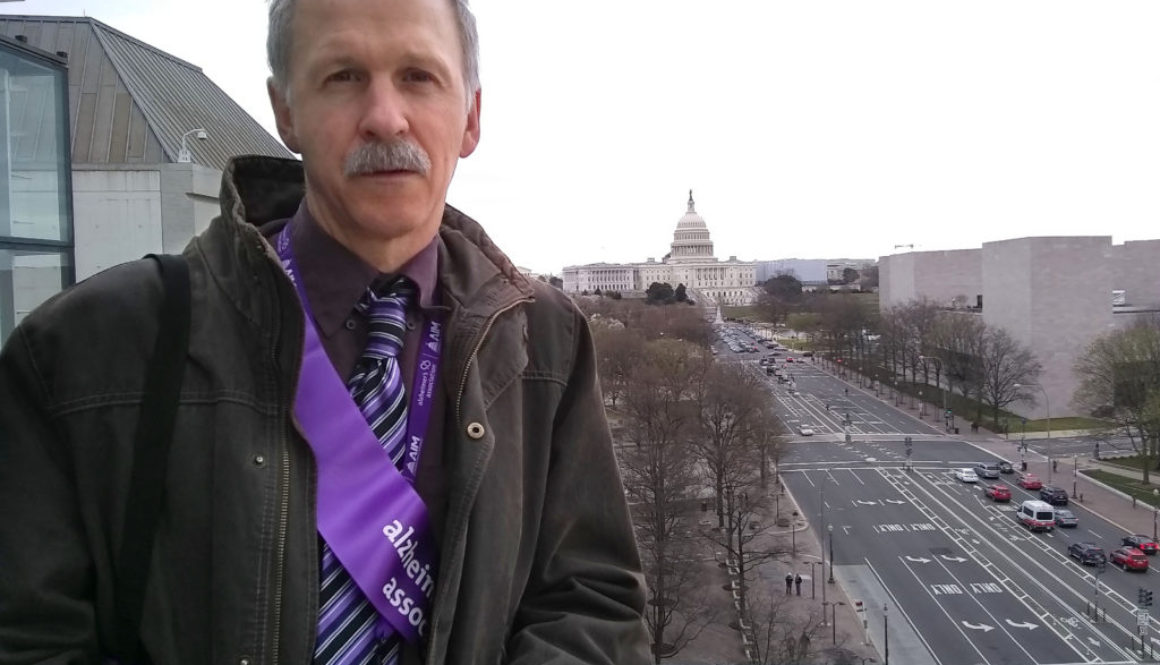
Mitch Evich, class of 1984, died on Christmas morning 2021 due to complications from Alzheimer’s, six and a half years after being diagnosed with young-onset Alzheimer’s in 2015.
Last year, we all learned how important it is to support small businesses, especially those owned and operated by marginalized communities.
During the shutdown, many businesses were required to close, limit their capacities and/or change regular operation. It was crucial for consumers to consider where their money was going. Who owns that restaurant? Are those items made locally? Do I want to spend less at a corporation or would I rather keep a local business in business?
Fresh out of college, Brady Henderson arrives at The Seattle Times, scans his badge and heads to the sports department. On his way, he glances over at the wall he sees every day: the wall lined with photographs of Pulitzer Prize winners. The wall his father’s photo hangs on.
He is familiar with the building, because he spent so much time there as a child. Henderson’s parents, Paul and Janet, met at The Seattle Times as reporters. He loved the newsroom’s atmosphere, so much so that he dreamed of being a journalist one day.
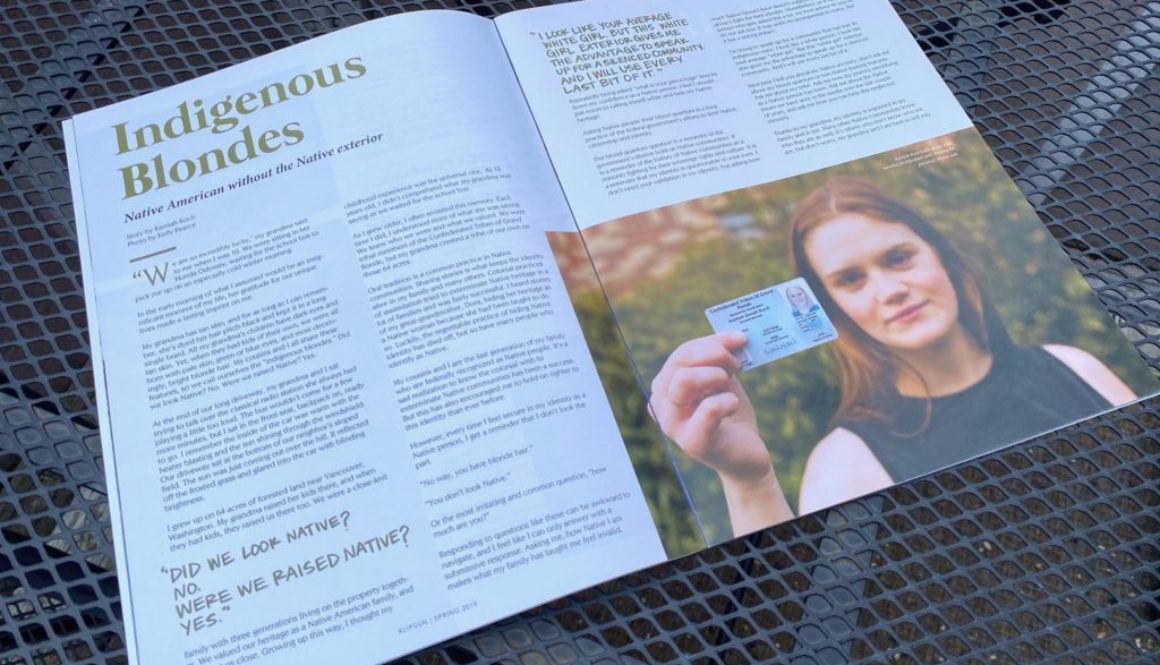
Two years ago, Klipsun magazine printed “Indigenous Blondes,” a personal story that caught my eye because of its featured photograph: a WWU student holding her tribal identification card, with a picture on it of her with bright blonde hair.
The student—Kamiah Koch—wrote about her experience growing up in Vancouver, Washington, one and a half hours away from her tribe’s reservation. “We were a close-knit family with three generations living on the property together,” she wrote. “We valued our heritage as a Native American family, and that kept us close.”
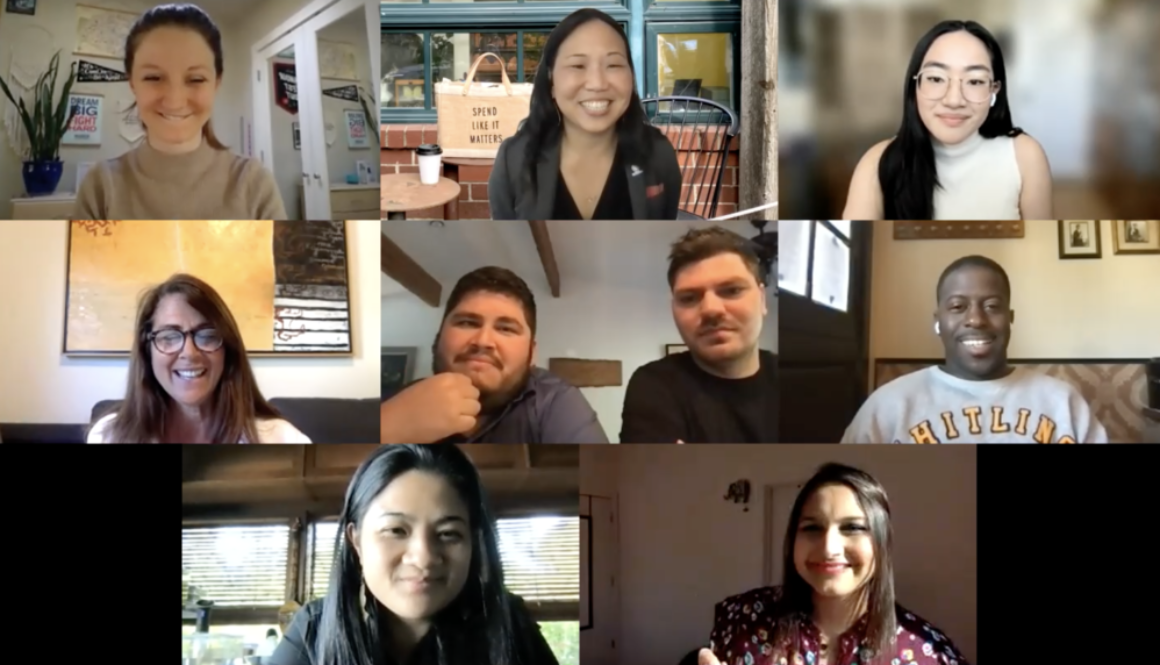
In 2020, seven years after I left J-camp, I took my journalism capstone classes entirely online. I met with my professors on Zoom and did my homework from my bedroom. And as I wrapped up my academic career, WWU’s journalism major celebrated its 50th birthday.
As we all know, a birthday pandemic is not too fun. So, to celebrate this milestone, I interviewed five journalism alumni — one from each decade — to talk about how they got from where I am now to where they are now. And, of course, how where they are has changed since COVID-19.
Alone in the middle school bathroom at lunch time, young Jacqueline Allison types on her laptop, writing about her day’s experience. It wasn’t a diary, but a creative outlet Allison used to note the observations she made of her environment. She didn’t know it yet, but her knack for turning the characters in her head into stories would lead to a successful career in journalism.
In September 2019, the Seattle based REI Cooperative published its new lifestyle magazine Uncommon Path. The magazine, which diverges from a traditional retail catalog to include more creative storytelling and environmental news, is the brainchild of Western alumnus Paolo Mottola.
Mottola graduated from Western in 2005 with a Journalism major. As most young journalists at Western, Mottola started his journey working for The Western Front to fulfill requirements. As he moved through the major, Mottola said he found his place at Klipsun, where he cultivated a passion for feature writing, and covered topics such as arts, music and culture. He went on to be photo editor, and later editor-in-chief.
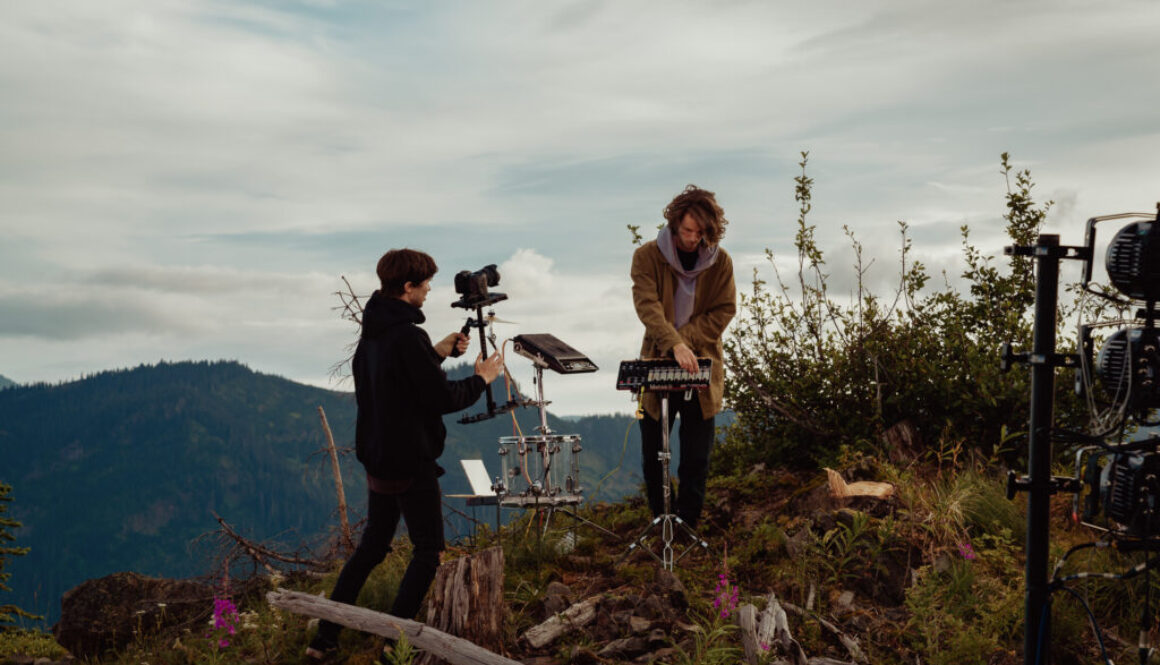
When Casey Gainor and Alexis Tahiri graduated from Western, they shared more than a journalism degree. They shared a love of music, a background in brass instruments and a desire to always pursue their passion.
Casey graduated from Western in 2008 after following the news-editorial track. His repertoire includes sports reporter, editorial analyst, tech writer and last but not least: rapper.
My name is Don Wittenberger, and I’m one of WWU’s original journalism students. After spending two years at the University of Missouri School of Journalism, and working as an (unpaid) student reporter for MU’s teaching newspaper, the Columbia Missourian, I came west and worked for the Bellingham Herald in 1967-1968 under then-editor Bill Fowler, alongside a newsroom staff that included George Boynton, Jack Carver, Huntley Gordon, and Jack Mayne.