Sport diplomacy research highlights academic journey in Mongolia
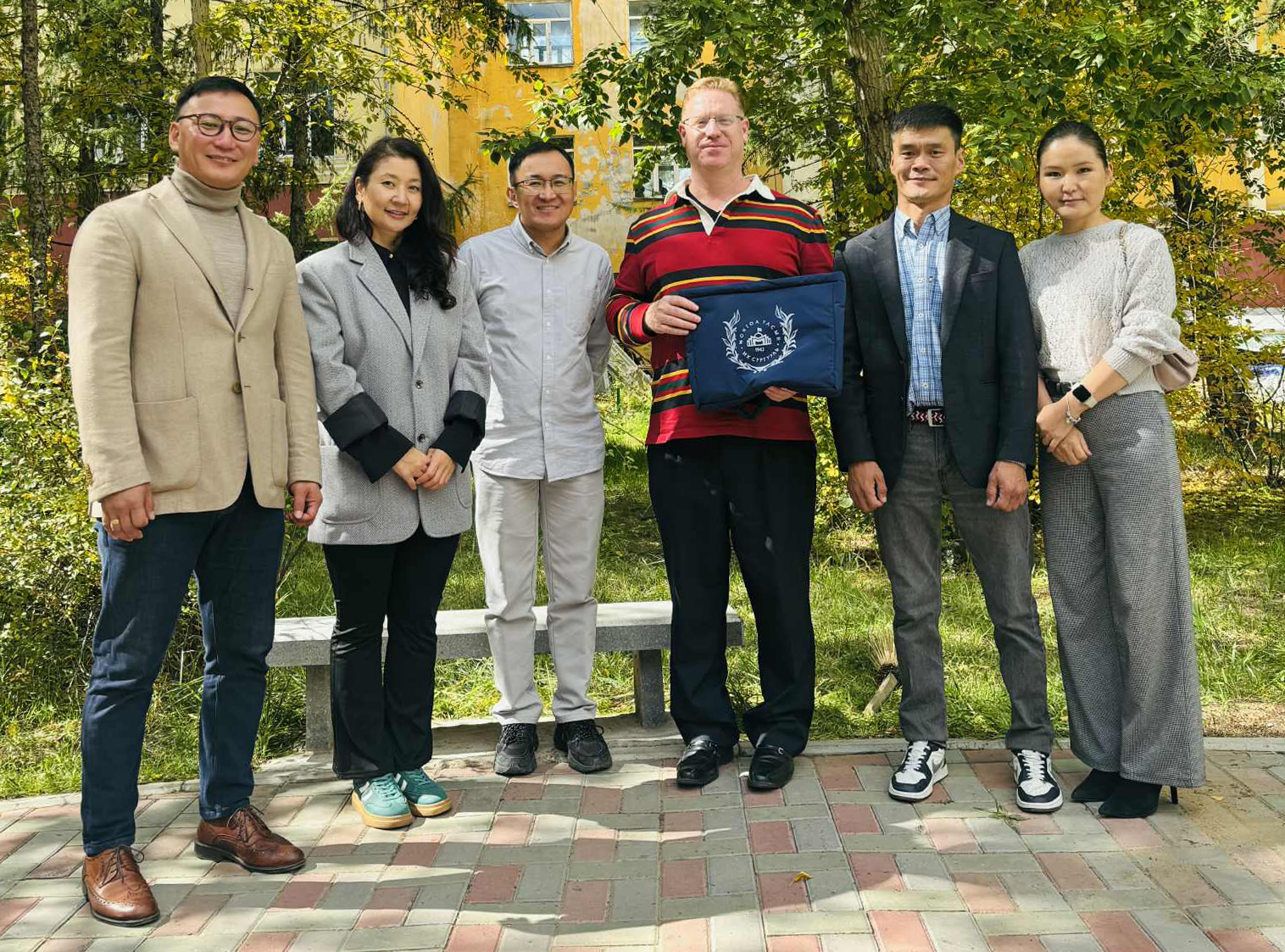
Moscato is joined by members of the National University of Mongolia’s Journalism and Public Relations Department. NUM’s journalism department is the oldest in the country. // Photo courtesy of Department of Journalism, National University of Mongolia
Professor Derek Moscato's international travel fosters collaborations
Story by Journalism Alumni Newsletter Staff
The image of Mongolia projected to the rest of the world has long been marked by history, ecology and culture. The story of Chinggis Khan and the Mongol Empire is one of the most significant and fascinating chapters in global history. At the same time, the Gobi Desert, Lake Khövsgöl and the Mongolian Steppe have long captivated the world as environmental and recreational destinations. Yet it’s Mongolia’s impressive cultural heritage that catalyzes its emergent tourism and diplomacy. Sport, in particular, has served as a bridge between Mongolia and the world.
For example, a shared passion for traditional wrestling has strengthened the political and economic connection between Mongolia and Japan, which had only begun diplomatic relations in the 1970s. Mongolia’s export of wrestling excellence helped to facilitate bi-national ties, with even the nations’ respective leaders engaging the Bökh and sumo wrestling communities. For Mongolia, such global outreach has not been confined to one sport. Mongolian horse racing events, such as the Naadam Festival race, the Tsagaan Sar Lunar New Year race and the Ikh Hurd race, are national cultural events that capture the interest of international media and tourists. These intersections of internationalism, communication and sport help to mediate relations between Mongolia and the world. They highlight the role of Mongolian art, fashion, photography and an impressive system of national parks.
Western Washington University journalism professor Derek Moscato’s research has examined the broader significance of the country’s flourishing sports culture and its role in public diplomacy. As part of Western’s John C. Street Fellowship, he travelled to the capital city of Ulaanbaatar during the fall of 2025 to both meet with professors in the Department of Journalism and Public Relations at the National University of Mongolia and conduct public diplomacy research. A longtime professor at the University of Wisconsin, Dr. John Street was a noted advocate for the multidisciplinary study of Mongolia. He was also a collaborator with retired Western professor and Mongolia expert Dr. Henry G. Schwarz.
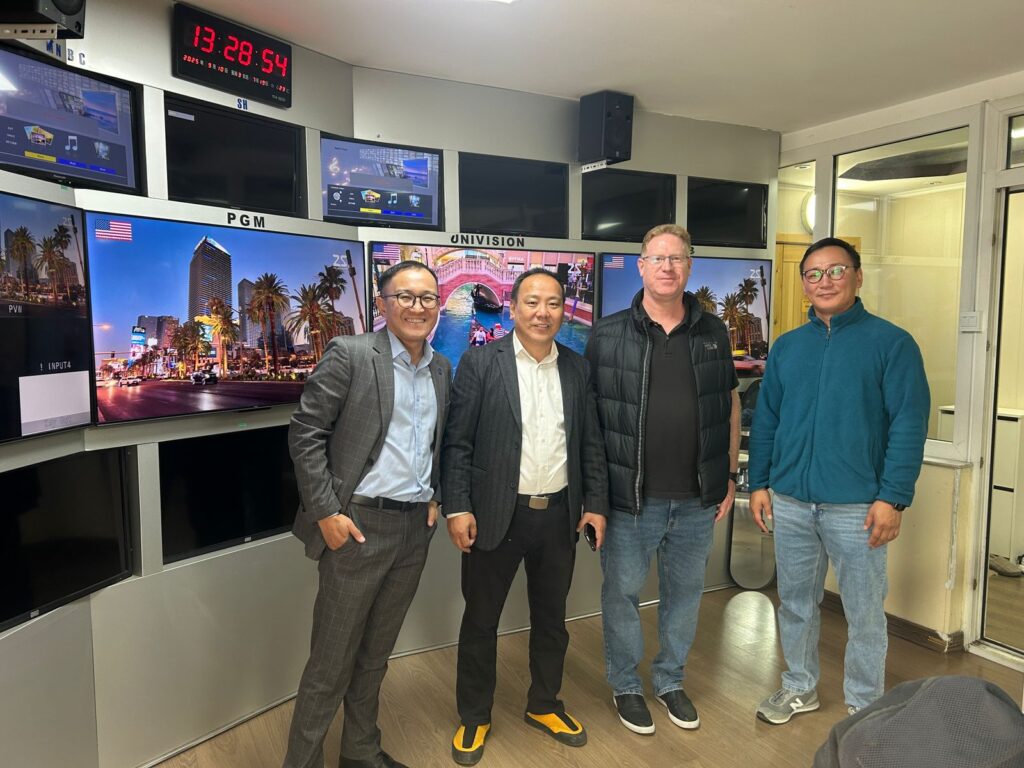
The visit allowed Moscato to collaborate with journalism and public relations counterparts at NUM on several academic projects, including guest teaching in NUM’s public relations program, planning for a jointly-conducted environmental journalism class and participating in the university’s Open Minds Global Dialogue Conference. He also visited with journalists from Channel 25, Mongolia’s longest-standing private television broadcaster.
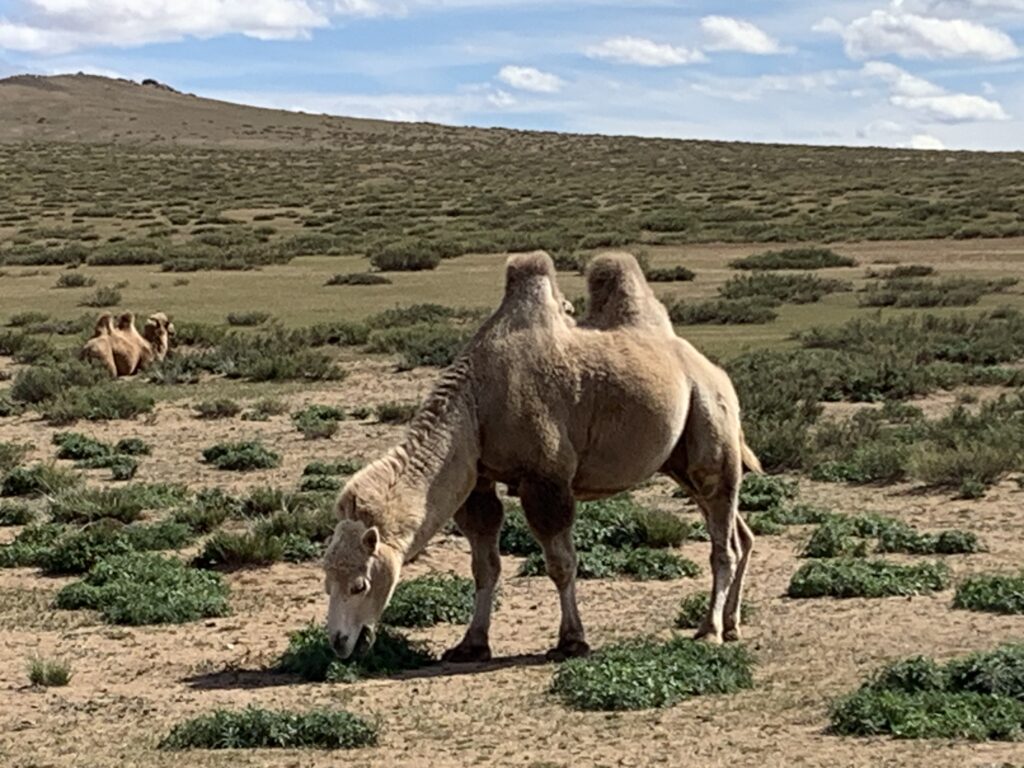
Joined by his NUM journalism department colleagues, Moscato also travelled to Arkhangai Province in central Mongolia to conduct field research about sport diplomacy and the role of the annual Naadam Festival in the provincial capital of Tsetserleg. This included interviews with government officials and other civic leaders.
“Relative to other nations in East Asia, Mongolia’s soft power through sport is not well known,” said Moscato. “Yet sporting events like Naadam speak to the fact that Mongolia has increasingly asserted itself internationally, especially within Northeast Asia, through its engagement with sport. This energy also spills over into other areas such as economic activity, cultural heritage and even environmental protection.”